
When Friendship Turned Into Hip-Hop History
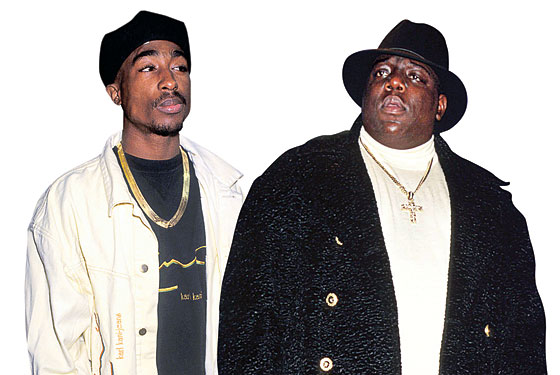
Some stories in music feel bigger than the songs themselves. The Tupac and Biggie Beef is one of those stories. It was not just a rap rivalry. It was a friendship that fell apart in public, a media storm that grew too loud, and a cultural moment that changed hip-hop forever.
- When Friendship Turned Into Hip-Hop History
- Tupac and Biggie Bio: Quick Facts
- Who Were Tupac and Biggie Before the Beef?
- How the Tupac and Biggie Beef Started
- East Coast vs West Coast: The Bigger Background
- Tupac’s Death Row Era Changed Everything
- Biggie’s Position During the Feud
- Timeline of the Tupac and Biggie Beef
- How the Media Fueled the Fire
- The Role of Record Labels and Industry Pressure
- Why Fans Still Care About This Feud
- Common Myths About the Tupac and Biggie Beef
- The Music That Came From the Conflict
- How the Feud Changed Rap Forever
- Lessons Modern Artists Can Learn
- Why the Tupac and Biggie Beef Still Feels Personal
- The Legacy Beyond the Beef
- Conclusion: The Feud That Became a Warning
Even today, fans still talk about it with the same mix of sadness, curiosity, and frustration. How did two young artists, both talented in very different ways, become symbols of one of the darkest chapters in rap history? Why did the tension become so intense? And what did the music industry, the press, and record labels do to make things worse?
The truth is, the Tupac and Biggie Beef was never as simple as “East Coast versus West Coast.” That phrase became the headline, but the real story had more layers. It involved loyalty, fear, pride, street pressure, fame, money, misunderstandings, interviews, diss tracks, and a young culture learning how dangerous public conflict could become.
This article breaks it down in a clear, human way. No wild theories. No disrespect. Just the story, the timeline, the impact, and the reason this feud still matters decades later.
Tupac and Biggie Bio: Quick Facts
| Detail | Tupac Shakur | The Notorious B.I.G. |
|---|---|---|
| Full Name | Tupac Amaru Shakur | Christopher George Latore Wallace |
| Date of Birth | June 16, 1971 | May 21, 1972 |
| Age | 25 at the time of death | 24 at the time of death |
| Profession | Rapper, actor, poet, activist | Rapper, songwriter |
| Nationality | American | American |
| Net Worth (approx.) | Around $200,000 at death; estate value grew later | Often estimated in the millions when adjusted over time |
| Notable Works / Achievements | All Eyez on Me, Me Against the World, Dear Mama, California Love, Changes | Ready to Die, Life After Death, Juicy, Big Poppa, Hypnotize |
Who Were Tupac and Biggie Before the Beef?
Before the headlines, before the diss records, and before the world started choosing sides, Tupac Shakur and Biggie Smalls were two rising stars with different styles but similar hunger.
Tupac was emotional, intense, and impossible to ignore. He could rap about poverty, police brutality, pain, ambition, love, betrayal, and survival in a way that felt personal. His voice carried fire. Whether he was acting in films or performing on stage, he had a magnetic energy that made people listen.
Biggie, on the other hand, was smooth, clever, and sharp with words. His flow felt effortless. He could paint a whole Brooklyn street scene in a few bars. He had humor, darkness, confidence, and storytelling skill. When Ready to Die arrived, it helped bring New York rap back into the national spotlight.
At first, the Tupac and Biggie Beef did not exist. In fact, they respected each other. Tupac was already more famous when Biggie was still rising. Biggie admired him, and Tupac reportedly treated him like a younger brother in the game. That part is important because it makes the fallout even more painful.
This was not just two strangers trading insults. It was a broken bond.
How the Tupac and Biggie Beef Started
The Tupac and Biggie Beef began with mistrust, and mistrust grows fast when fame, danger, and ego are all in the same room.
The key turning point came in 1994, when Tupac was shot and robbed at Quad Studios in New York. Biggie and other Bad Boy figures were in the building that night, though not necessarily involved in what happened. Tupac survived, but emotionally, something changed. He believed people around the New York rap scene knew more than they admitted.
That belief became fuel.
Biggie denied involvement. Many people close to the situation have said the incident was not as simple as Tupac thought. However, Tupac felt betrayed, and in hip-hop, perception can become reality very quickly. Once he believed his trust had been broken, the relationship began to collapse.
Soon after, Biggie released “Who Shot Ya?” The track was recorded before Tupac’s shooting, according to many accounts, but the timing was terrible. Tupac heard it as a taunt. Fans heard it as part of the drama. Radio, magazines, and street talk pushed the tension even harder.
That is when the Tupac and Biggie Beef moved from private suspicion to public conflict.
East Coast vs West Coast: The Bigger Background
To understand the Tupac and Biggie Beef, you also need to understand the atmosphere of 1990s hip-hop.
New York was the birthplace of rap. For years, the East Coast had cultural control. Then the West Coast exploded with artists like Dr. Dre, Snoop Dogg, Ice Cube, and later Tupac after his Death Row era began. Suddenly, Los Angeles had the sound, the sales, and the attention.
That shift created tension.
Why the Coast Rivalry Became So Powerful
Several things made the East Coast-West Coast rivalry feel bigger than normal competition:
- Record labels wanted dominance
- Media outlets loved dramatic headlines
- Fans treated rap crews like sports teams
- Artists felt pressure to defend their city
- Street culture mixed with music industry politics
- Public comments were often taken personally
- Diss songs became entertainment and warning signs
Bad Boy Records represented New York power. Death Row Records represented West Coast force. Biggie was Bad Boy’s star. Tupac became Death Row’s loudest voice. So even when the issue was personal, the industry turned it into a coast-to-coast battle.
That is one reason the Tupac and Biggie Beef became so dangerous. It stopped being just about two artists. It became about pride, territory, money, and image.
Tupac’s Death Row Era Changed Everything
When Tupac joined Death Row Records after leaving prison, the energy around him changed. He was already passionate, but now his anger had a bigger platform. Death Row was powerful, bold, and feared. Suge Knight’s public image added even more pressure to the situation.
Tupac released All Eyez on Me, a massive double album that showed his confidence, hunger, and chaos all at once. It had party anthems, street records, emotional songs, and direct shots at enemies. His music became louder and more aggressive, but it also became more commercially successful.
The Tupac and Biggie Beef reached a new level during this period. Tupac no longer sounded hurt only. He sounded ready for war.
“Hit ’Em Up” and the Point of No Return
No song defines the Tupac and Biggie Beef more than “Hit ’Em Up.” It was brutal, personal, and direct. Tupac did not hide behind hints. He named names and attacked with full force.
Even today, many fans call it one of the most intense diss tracks in rap history. Some admire its raw energy. Others see it as a moment where the conflict went too far. Both views can be true.
“Hit ’Em Up” was powerful as music, but it also made peace feel almost impossible. In a calmer world, maybe the feud could have cooled down. But by then, interviews, rumors, record label politics, and fan loyalty had already built a fire around both men.
Biggie’s Position During the Feud
Biggie’s role in the Tupac and Biggie Beef is often debated because he was not as publicly explosive as Tupac. His style was different. He gave interviews, defended himself, and stayed loyal to Bad Boy, but he did not always match Tupac’s level of public rage.
That does not mean he was untouched by the conflict. Biggie was under heavy pressure. He was becoming the face of East Coast rap at a time when the West Coast was dominating the charts and the conversation. He also had to deal with accusations that he denied.
Biggie’s music during this period still showed his genius. His storytelling remained sharp. His confidence remained high. But behind the scenes, the air around hip-hop was getting heavier.
The sad part is that Biggie and Tupac were both young. Very young. When people discuss the Tupac and Biggie Beef, they sometimes forget they were men in their early twenties dealing with fame, fear, pride, and public pressure at a level most people cannot imagine.
Timeline of the Tupac and Biggie Beef
| Year | Key Moment | Why It Mattered |
|---|---|---|
| Early 1990s | Tupac and Biggie build a friendly relationship | Shows the feud did not start with hate |
| 1994 | Biggie releases Ready to Die | Biggie becomes a major East Coast voice |
| Nov. 1994 | Tupac is shot and robbed at Quad Studios | Tupac begins to feel betrayed |
| 1995 | Tupac speaks publicly about his suspicions | Private mistrust becomes public drama |
| 1995 | Suge Knight takes shots at Bad Boy at the Source Awards | Label tension becomes national hip-hop tension |
| 1996 | Tupac releases All Eyez on Me | His Death Row era reaches full power |
| 1996 | “Hit ’Em Up” is released | The feud becomes deeply personal |
| Sept. 1996 | Tupac is killed in Las Vegas | Hip-hop loses one of its most powerful voices |
| March 1997 | Biggie is killed in Los Angeles | The culture suffers another devastating loss |
How the Media Fueled the Fire
The media played a huge role in the Tupac and Biggie Beef. Magazines, radio shows, interviews, and television programs often framed the story as a war. That kind of coverage gets attention, but it can also make real-life tension worse.
In the 1990s, hip-hop was still fighting for respect in mainstream spaces. Many outside observers did not fully understand the difference between rap performance, street image, business rivalry, and real danger. So when artists said aggressive things, it often got packaged as entertainment.
However, the people involved were real. The threats felt real. The pressure was real.
The Tupac and Biggie Beef became a lesson in how media can turn conflict into a product. Every quote became a headline. Every song became evidence. Every public appearance became part of the story.
The Role of Record Labels and Industry Pressure
Bad Boy and Death Row were more than record labels. They were brands with strong identities.
Bad Boy had style, polish, New York confidence, and chart-friendly production. Death Row had muscle, attitude, West Coast dominance, and a rebellious edge. Both labels wanted power. Both wanted attention. Both understood that controversy could sell records.
That does not mean the labels caused every problem. But they certainly benefited from the attention. The louder the rivalry became, the more fans watched. The more fans watched, the more albums sold.
The Tupac and Biggie Beef shows the risky side of music marketing. Conflict can create buzz, but when real emotions and real street ties are involved, buzz can become danger.
Why Fans Still Care About This Feud
People still search for the Tupac and Biggie Beef because it feels unfinished. There are unanswered questions. There are different versions of events. There are interviews, documentaries, books, and rumors that keep the conversation alive.
But beyond mystery, fans care because both artists were brilliant.
Tupac gave people emotion. Biggie gave people storytelling. Tupac sounded like revolution. Biggie sounded like survival with a grin. Tupac made you feel the wound. Biggie made you see the room.
Their styles were different, but both were needed.
What Made Tupac Special
Tupac had a rare ability to sound fearless and vulnerable at the same time. Songs like “Dear Mama” showed tenderness. Songs like “Ambitionz Az a Ridah” showed confidence. Tracks like “Changes” showed social awareness. He could switch moods without losing truth.
What Made Biggie Special
Biggie’s gift was detail. He could tell a story so clearly that you felt like you were walking through Brooklyn with him. His voice, timing, humor, and wordplay made him one of the greatest rappers ever. Even when he rapped about dark subjects, he made every line feel alive.
That is why the Tupac and Biggie Beef still hurts. It was not just a feud. It was a loss of what could have been.
Common Myths About the Tupac and Biggie Beef
The story has been repeated so many times that myths often get mixed with facts. So, let’s clear up a few things.
Myth 1: It Was Only East Coast vs West Coast
The coast rivalry mattered, but it was not the whole story. The Tupac and Biggie Beef started with personal mistrust and later became part of a larger coastal conflict.
Myth 2: Biggie and Tupac Were Always Enemies
They were not. They had a friendly relationship before everything broke down. That early respect is one of the most overlooked parts of the story.
Myth 3: Diss Tracks Were Just Entertainment
Diss tracks can be part of rap tradition, but in this case, they carried real emotional weight. The words were not happening in a safe bubble. They were connected to real tension.
Myth 4: The Feud Helped Hip-Hop
It brought attention, yes. But attention is not always healthy. The Tupac and Biggie Beef may have increased public interest, but it also left a painful mark on the culture.
The Music That Came From the Conflict
The feud influenced some of the most discussed records in rap history. Tupac’s “Hit ’Em Up” became the most famous direct attack. Biggie’s “Who Shot Ya?” became connected to the feud because of timing and public interpretation, even though the story around the track is more complicated.
In addition, the mood of the era shaped albums like All Eyez on Me and Life After Death. You can hear confidence, pressure, paranoia, ambition, and sadness in the music. These albums were not just collections of songs. They were snapshots of artists living under intense public attention.
The Tupac and Biggie Beef also changed how fans listened. People searched for hidden meanings. They replayed lyrics like clues. They compared interviews. They debated loyalty.
That kind of listening still happens today in rap beefs, but Tupac and Biggie made it feel urgent in a way few rivalries ever have.
How the Feud Changed Rap Forever
The Tupac and Biggie Beef changed rap in several major ways.
First, it made artists more aware of how dangerous public rivalries could become. After losing two giants, the culture had to look in the mirror.
Second, it changed media coverage. Hip-hop journalism became more careful in some spaces, though controversy still sells.
Third, it showed how record labels could shape artist images in powerful ways. The line between personal conflict and marketing became harder to ignore.
Fourth, it made fans understand the emotional cost of choosing sides. Supporting an artist is one thing. Turning a rivalry into a war is another.
Finally, it turned Tupac and Biggie into symbols. Not just rappers. Not just celebrities. Symbols of talent, tragedy, pressure, and unfinished greatness.
Lessons Modern Artists Can Learn
The Tupac and Biggie Beef still matters because modern hip-hop has not fully escaped the same patterns. Today, social media makes conflict even faster. A comment can go viral in minutes. A diss can become a global topic overnight. Fans can add fuel without knowing the real story.
Modern artists can learn several lessons from this feud:
- Protect real friendships from public pressure
- Do not let interviews become weapons
- Understand that fame can magnify small conflicts
- Keep business rivalry separate from personal hatred
- Avoid letting fans and media control the story
- Remember that peace can be stronger than pride
That last point matters most. Rap has always included competition. Competition can sharpen artists. It can create classic moments. But when pride becomes danger, nobody wins.
Why the Tupac and Biggie Beef Still Feels Personal
The reason the Tupac and Biggie Beef still feels personal is simple: both men felt human.
Tupac was not perfect. Biggie was not perfect. Neither should be turned into a cartoon hero or villain. They were gifted young men moving through fame at a dangerous speed. They made powerful music, but they also lived in a world full of pressure, suspicion, and people with their own interests.
When you look back now, it is easy to wish someone had stepped in harder. A private conversation. A real apology. A trusted mediator. A break from the cameras. Something.
However, history does not give us rewrites. It gives us lessons.
The Legacy Beyond the Beef
Tupac’s legacy is bigger than conflict. He remains one of the most quoted, studied, and loved artists in hip-hop. His songs about struggle, family, injustice, and ambition still reach new generations.
Biggie’s legacy is also bigger than conflict. His flow influenced countless rappers. His debut album remains a landmark. His voice still feels fresh, even decades later.
The Tupac and Biggie Beef may be the story many people search for, but it should not be the only thing people remember. Their art deserves more than tragedy. Their talent deserves more than gossip.
Tupac and Biggie helped prove that rap could be poetry, journalism, confession, celebration, protest, and street storytelling all at once. They changed the sound of the 1990s. They shaped the future. And even now, their influence is everywhere.
Conclusion: The Feud That Became a Warning
The Tupac and Biggie Beef changed rap because it showed both the power and the danger of hip-hop’s public stage. It gave the world unforgettable music, but it also left behind a deep sadness that still hangs over the culture.
At its heart, this was a story of two brilliant artists, a damaged friendship, a hungry media machine, powerful labels, loyal fans, and a rivalry that became too big to control. The lesson is not that rap competition is bad. Competition built some of hip-hop’s greatest moments. The lesson is that real pain should never be turned into entertainment until it becomes impossible to stop.
Tupac and Biggie were more than enemies in a famous feud. They were artists, sons, storytellers, and cultural giants. Their music still speaks because it came from real life. Their story still matters because it warns us what can happen when pride, fame, and fear collide.
If this breakdown helped you understand the Tupac and Biggie Beef in a clearer way, share it with another hip-hop fan or leave your thoughts in the comments. Their story deserves discussion, but more importantly, it deserves respect.