
Brita Pitcher Review: 7 Reasons It Stands Out
A glass of tap water should feel simple. You turn on the faucet, fill your glass, and take a drink. Yet many people notice a strong chlorine smell, an odd aftertaste, or tiny particles that make the water less appealing.
- Brita Pitcher Review: 7 Reasons It Stands Out
- Brita Pitcher Review at a Glance
- How Does a Brita Pitcher Work?
- 1. It Can Make Tap Water More Enjoyable
- 2. The Setup Is Refreshingly Simple
- 3. It Offers a Practical Alternative to Bottled Water
- 4. The Pitcher Design Fits Everyday Kitchens
- 5. Filter Replacement Is Easy to Track
- 6. Cleaning and Maintenance Are Manageable
- 7. It Balances Cost, Convenience, and Performance
- Brita Pitcher Pros and Cons
- Who Should Buy a Brita Pitcher?
- How to Choose the Right Brita Pitcher
- Tips for Getting Better Results
- Frequently Asked Questions
- Final Verdict
That is where a filtered water pitcher can help.
Brita is one of the most familiar names in home water filtration. Its pitchers are found in kitchens, offices, dorm rooms, and shared apartments. They offer a simple way to filter tap water without installing a system under the sink.
Still, popularity alone does not make a product right for everyone.
This Brita Pitcher Review takes a practical look at how the pitcher works, what it does well, where it has limits, and whether it deserves space in your refrigerator. Rather than making dramatic promises, we will focus on daily use, water taste, maintenance, filter costs, pitcher design, and long-term value.
Brita Pitcher Review at a Glance
Brita sells several pitcher designs, so capacity, lid style, filter type, and replacement schedule may differ by model. However, the basic experience is similar across most of the range.
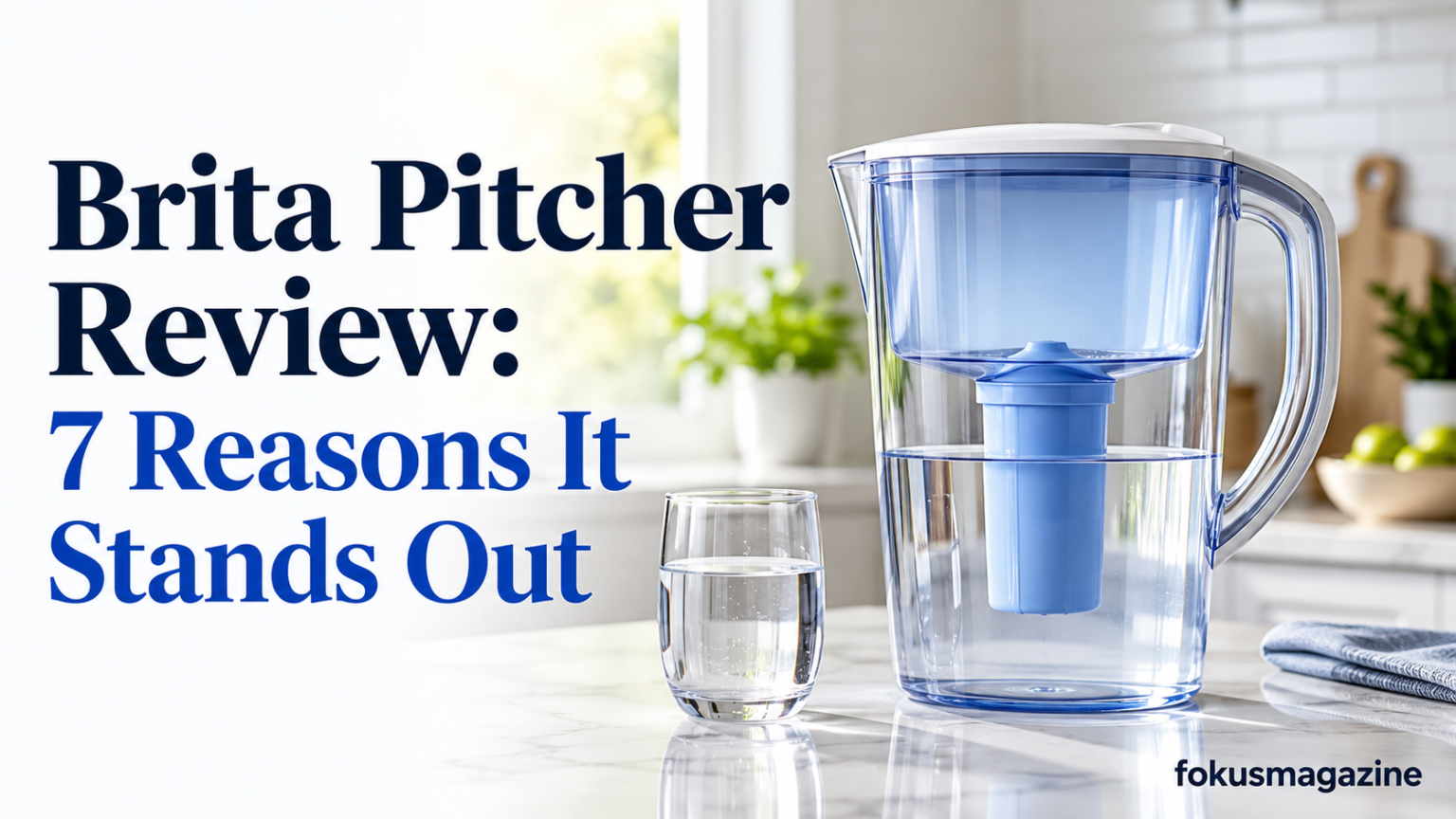
You fill the upper reservoir with tap water. The water then passes through a replaceable filter before collecting in the main pitcher.
Here is a simple overview:
| Category | Practical Assessment |
|---|---|
| Ease of use | Simple filling and pouring process |
| Water taste | May improve chlorine taste and odor |
| Setup | Usually quick with little assembly |
| Maintenance | Requires regular washing and filter replacement |
| Space | Most models fit on a refrigerator shelf |
| Running cost | Lower than bottled water for many households |
| Best for | People who want convenient everyday filtration |
| Main limitation | Not designed to make unsafe water microbiologically safe |
The most important point is that a Brita pitcher is a convenience filter, not a complete water purification system. It can improve the everyday drinking experience, but it should only be used with water that is already considered safe to drink.
How Does a Brita Pitcher Work?
A Brita pitcher uses gravity rather than electricity or water pressure. When you pour tap water into the reservoir, it moves through the filter and into the lower chamber.
Depending on the filter model, the filtration media may be designed to reduce certain substances that affect taste, smell, or water quality. Results can vary based on local tap water, filter condition, water temperature, and how often the pitcher is used.
What a Brita Pitcher May Improve
For many users, the biggest difference is sensory rather than visual. Filtered water may have:
- A milder chlorine taste
- Less noticeable tap-water odor
- A cleaner aftertaste
- Fewer visible particles
- A more refreshing feel when chilled
However, a water filter pitcher does not remove every possible contaminant. Reduction claims also vary by filter type. Therefore, it is wise to read the packaging for the exact filter you buy.
What It Cannot Do
A Brita pitcher should not be treated as emergency water treatment equipment. It is not a substitute for boiling instructions, local safety advice, professional water testing, or a certified purification system designed for serious contamination.
If your water supply has been declared unsafe, follow the guidance from local authorities. Do not rely on a standard refrigerator pitcher to solve the problem.
1. It Can Make Tap Water More Enjoyable
The first reason Brita stands out is also the most obvious: it can make ordinary tap water more pleasant to drink.
Taste matters more than people sometimes admit. You may know that staying hydrated is important, but you are less likely to reach for water if every glass has a strong chemical smell or metallic aftertaste.
During everyday use, the biggest strength of the pitcher is consistency. You fill it, place it in the fridge, and return later to cold filtered water.
This part of our Brita Pitcher Review may sound simple, but it is often the main reason people continue using the product. A water filter does not need to transform your entire kitchen. It only needs to make your daily drinking water more appealing.
Better Taste May Support Better Drinking Habits
A filtered pitcher can encourage people to:
- Drink water with meals
- Refill reusable bottles
- Replace some sugary drinks
- Keep chilled water ready for guests
- Use filtered water for tea or coffee
- Carry water to work or the gym
Of course, no pitcher can create a healthy routine by itself. Still, easy access removes one small barrier. When fresh-tasting water is already waiting in the refrigerator, choosing it becomes easier.
2. The Setup Is Refreshingly Simple
Some home filtration systems involve plumbing, tools, special taps, or professional installation. A Brita pitcher avoids most of that work.
In general, setup involves washing the pitcher, preparing the filter according to its instructions, placing it in the reservoir, and filling the container with cold tap water.
There are no hoses to connect. There is no electrical plug. You do not need to modify the kitchen sink.
That simplicity makes the pitcher useful for:
- Renters
- Students
- Small households
- Shared kitchens
- Office break rooms
- People who move often
- Anyone who dislikes complicated appliances
In this Brita Pitcher Review, ease of use is one of the product’s strongest qualities. Even a high-performing filter can become annoying if it is hard to refill or clean. Brita’s basic pitcher format remains popular because the process is familiar and manageable.
The Learning Curve Is Small
Most people understand the product within the first refill. However, there are a few habits worth learning.
Do not overfill the reservoir. Allow the water to pass through before pouring. Keep the filter properly seated. In addition, avoid filling the pitcher with hot water unless the manufacturer’s instructions specifically permit it.
These small steps can prevent leaks, slow filtration, and uneven performance.
3. It Offers a Practical Alternative to Bottled Water
Buying bottled water may feel convenient at first. Yet the cost and waste can add up quickly, especially in a busy household.
A reusable water filter pitcher changes the routine. Instead of carrying large packs of plastic bottles home, you refill the same container from the tap.
This does not mean bottled water is never useful. Sealed bottles can be valuable during travel, emergencies, events, or water service problems. However, they may be unnecessary for everyday home use when the local tap water is safe and a pitcher meets your taste preferences.
Potential Household Savings
The true cost depends on several factors:
- Local tap-water price
- Filter replacement frequency
- Household water consumption
- Pitcher purchase price
- The bottled-water brand normally purchased
- Whether filters are bought individually or in multipacks
For many regular bottled-water buyers, a pitcher can reduce monthly spending over time. The upfront price is followed by replacement filter costs, but those costs may still be lower than buying single-use bottles week after week.
Our Brita Pitcher Review finds that value is strongest when the pitcher becomes part of a steady routine. A pitcher that sits unused in the refrigerator will not save money. One that replaces daily bottled-water purchases may offer much better value.
4. The Pitcher Design Fits Everyday Kitchens
A product used every day should be easy to live with. Brita pitchers are generally designed around common kitchen routines.
Many models are narrow enough to sit on a refrigerator shelf. Some have larger capacities for families, while smaller versions suit one or two people. Handle shape, lid design, pour control, and refill access differ between models, so choosing the right size matters.
Size Matters More Than It Seems
A large pitcher holds more water, but it also becomes heavier when full. It may take up more refrigerator space and feel awkward for children, older adults, or anyone with limited hand strength.
A smaller pitcher is easier to lift and clean. However, it needs frequent refilling.
Before buying, consider:
- How many people will use it
- How much water your household drinks
- Available shelf height
- Refrigerator door space
- Sink size
- Hand comfort
- Pitcher weight when full
This is an important lesson from our Brita Pitcher Review: the biggest pitcher is not automatically the best pitcher. The right model is the one that fits your actual routine.
Useful Features to Look For
Some pitcher models may include:
- A covered pouring spout
- An easy-fill lid
- A filter-change indicator
- A comfortable grip
- A slim refrigerator-friendly body
- A removable reservoir
- A locking lid
- A larger family capacity
Features vary, so compare them carefully. A lid that stays secure while pouring may be more valuable than an extra cup of capacity. Likewise, a filter reminder can help people who often forget replacement dates.
5. Filter Replacement Is Easy to Track
Every replaceable filter has a limited working life. Once it has been used for the recommended period or volume, it needs to be changed.
Some Brita pitchers include an electronic indicator. Others use a simple sticker, dial, or manual tracking method. Even a reminder on your phone can work.
Filter replacement matters because an old filter may work more slowly and may not provide the expected reduction performance.
Signs That a Filter May Need Attention
Follow the official replacement guidance for your filter. In addition, watch for practical signs such as:
- Filtration becoming unusually slow
- Water taste changing
- An unpleasant smell returning
- The filter indicator showing replacement
- The recommended time period ending
- Visible damage to the filter
A slow filter does not always mean it has expired. Air pockets, incorrect installation, or filter preparation can also affect flow. Remove and reseat the filter according to the instructions before assuming it is defective.
In our Brita Pitcher Review, filter reminders are a useful feature because maintenance is easy to forget. The pitcher may look perfectly fine even when the filter is overdue for replacement.
6. Cleaning and Maintenance Are Manageable
A water pitcher stays damp for long periods, so regular cleaning is essential. Fortunately, the process is usually straightforward.
Wash the pitcher, lid, and reservoir according to the care instructions for your exact model. Some parts may require handwashing, while dishwasher suitability can vary.
Use mild dish soap and a soft sponge. Avoid harsh cleaners that may damage the plastic or leave a strong smell.
A Simple Cleaning Routine
A practical routine may look like this:
- Remove the filter and place it on a clean surface.
- Separate the lid, reservoir, and main pitcher.
- Wash approved parts with warm water and mild soap.
- Rinse thoroughly to remove soap residue.
- Dry the parts with a clean towel or allow them to air-dry.
- Reassemble the pitcher and reinstall the filter correctly.
Do not clean the filter with soap. Replace it when required rather than trying to scrub or restore it.
How to Keep the Pitcher Fresh
A few habits can make a difference:
- Refill with cold tap water
- Keep the pitcher refrigerated
- Avoid leaving filtered water unused for long periods
- Wash spills around the lid and handle
- Clean the reservoir regularly
- Use clean hands when touching the filter
- Do not mix flavored drinks inside the pitcher
This section of the Brita Pitcher Review deserves attention because maintenance affects the entire experience. A clean pitcher supports better taste. A neglected pitcher can develop odors, residue, or staining, even when the filter is still within its expected life.
7. It Balances Cost, Convenience, and Performance
The final reason Brita stands out is balance.
There are more advanced home filtration options. Under-sink filters may provide faster access. Reverse osmosis systems may address a wider range of substances. Whole-house systems can treat water across several taps.
However, those systems usually cost more, need additional space, or require installation.
A Brita pitcher occupies the middle ground. It is more capable than drinking directly from an unpleasant-tasting tap, yet much simpler than installing a permanent system.
For a renter, student, small family, or first-time filter buyer, that balance can be appealing.
Where the Value Comes From
The value is not based on one dramatic feature. Instead, it comes from several modest benefits working together:
- Low-effort setup
- Portable design
- Improved drinking-water taste
- Cold storage in the refrigerator
- Replaceable filters
- Reduced dependence on plastic bottles
- No plumbing changes
- Easy cleaning
- Multiple capacity options
That practical balance is the central finding of this Brita Pitcher Review. The product does not attempt to solve every water-quality problem. It focuses on making everyday tap water easier and more enjoyable to drink.
Brita Pitcher Pros and Cons
No honest review is complete without discussing both sides.
Pros
- Easy to set up and refill
- Requires no electricity
- Needs no plumbing installation
- May reduce unwanted chlorine taste and odor
- Can reduce reliance on bottled water
- Available in several sizes
- Convenient for refrigerators
- Filter reminders may simplify maintenance
- Useful for rented homes and dorm rooms
- Easy to move between locations
Cons
- Filters create an ongoing replacement cost
- Filtration can take time
- Large pitchers become heavy when full
- Refrigerator space is required
- Not every model has the same reduction claims
- Regular cleaning is necessary
- It does not remove every substance
- It cannot make contaminated water automatically safe
- Capacity may be too small for large households
- Plastic parts may stain or scratch with long-term use
Who Should Buy a Brita Pitcher?
A Brita pitcher may be a good match for people who dislike the taste or smell of their tap water but do not want a permanent filtration system.
It can also work well for people trying to reduce bottled-water purchases.
Consider buying one when:
- Your tap water is safe but tastes unpleasant
- You want cold filtered water ready in the fridge
- You live in rented accommodation
- You cannot install an under-sink filter
- You need a simple solution for one or two taps
- You regularly refill reusable bottles
- You are comfortable replacing filters
A pitcher may be less suitable when your household uses large volumes of drinking water throughout the day. Constant refilling can become frustrating. In that case, a larger dispenser, faucet-mounted filter, or under-sink system may be more convenient.
How to Choose the Right Brita Pitcher
Not every Brita pitcher offers the same experience. Before ordering, compare more than appearance.
Capacity
Choose a smaller pitcher for easy lifting or a larger model for fewer refills. Remember that the listed capacity includes water weight.
Filter Compatibility
Check which replacement filters fit the pitcher. Different filters may have different replacement schedules and reduction claims.
Refrigerator Fit
Measure your available shelf space. Include height, width, and depth. Also check whether the pitcher can fit beneath the tap for easy filling.
Lid and Handle Design
A secure lid makes pouring easier. A comfortable handle matters when the pitcher is full.
Filter Indicator
An indicator is helpful, but it should not replace the official replacement guidance. Manual reminders also work well.
Replacement Filter Price
The purchase price is only part of the cost. Compare the long-term price and availability of compatible replacement filters.
Tips for Getting Better Results
A good pitcher can still feel disappointing when used incorrectly. These tips can improve your experience:
- Start with safe, cold tap water.
- Prepare new filters exactly as directed.
- Make sure the filter is firmly installed.
- Allow the reservoir to finish draining.
- Replace the filter on schedule.
- Clean the pitcher regularly.
- Store filtered water in the refrigerator.
- Avoid pouring hot liquids through the filter.
- Keep spare filters in a dry storage area.
- Check local water reports if you have specific concerns.
Moreover, give yourself time to adjust. Filtered water may taste different from bottled mineral water because it has a different mineral profile. “Different” does not always mean “worse.”
Frequently Asked Questions
Is a Brita pitcher worth buying?
For many households, yes. It can be worthwhile when the main goal is better-tasting tap water, simple filtration, and less dependence on bottled water. However, value depends on regular use and timely filter replacement.
Does a Brita pitcher purify water?
A standard pitcher filters water, but “purification” suggests a broader level of treatment. Do not assume a pitcher removes bacteria, viruses, or every chemical. Use it only with water that is already safe to drink unless the product instructions clearly state otherwise.
How often should the filter be changed?
Replacement schedules vary by filter type and usage. Follow the instructions for the exact filter model. Water consumption and local water quality may also affect performance.
Why is my Brita filtering slowly?
Slow flow may result from an old filter, trapped air, improper installation, particles in the tap water, or a filter that was not prepared correctly. Check the instructions, reseat the filter, and replace it when required.
Can filtered water be used for coffee and tea?
Yes, many people use filtered tap water for coffee, tea, ice cubes, cooking, and reusable bottles. Improved taste may be noticeable in drinks where water is a major ingredient.
Does the pitcher need to stay refrigerated?
Refrigeration helps keep the water cold and fresh. Follow the storage advice provided with your pitcher, especially if filtered water will not be used immediately.
Are Brita pitchers difficult to clean?
Most are easy to clean, although some lids and indicators need special care. Check whether each component is dishwasher-safe before placing it in a dishwasher.
Final Verdict
After looking at daily use, taste, maintenance, design, and cost, this Brita Pitcher Review reaches a balanced conclusion: Brita stands out because it keeps home filtration simple.
It is not a miracle product. It will not solve every water-quality concern, and it should never replace official safety instructions. Filters also need to be purchased, tracked, and replaced.
However, those limits do not erase its practical strengths.
A Brita pitcher is easy to set up, fits into most kitchen routines, and may make safe tap water more pleasant to drink. It can also reduce the inconvenience of buying, carrying, and storing bottled water.
For many users, that is enough.
The best results come from choosing the right pitcher size, checking filter compatibility, cleaning the container regularly, and following the recommended replacement schedule. When those habits become routine, the pitcher can offer reliable everyday convenience without expensive installation.
Ultimately, this Brita Pitcher Review shows why the product remains a popular starting point for home water filtration. It is approachable, flexible, and designed for real kitchens rather than complicated utility rooms.
Have you used a Brita pitcher at home? Share your experience, including the model you chose and whether you noticed a change in water taste. You can also share this review with someone who is considering switching from bottled water to a reusable filtration pitcher.